
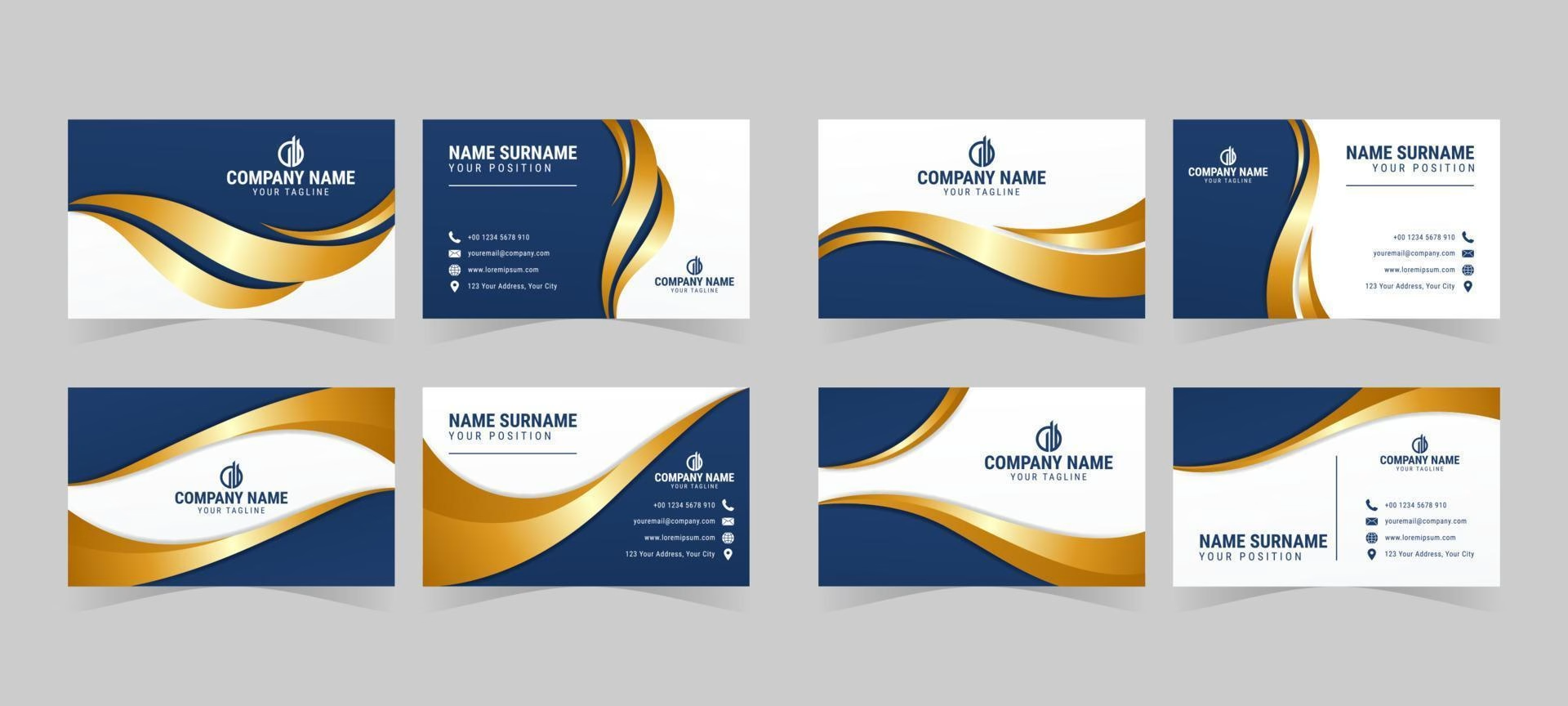
Your business card isn’t just contact info—it’s a handshake in print form. A strong card can spark a conversation, drive a sale, or reinforce your brand long after the meeting ends. But a weak card? It gets tossed, ignored, or worse—makes your business look second-rate.
I see a lot of business card designs and I see a lot of mistakes. These are the five most common business card mistakes to avoid in order to have a powerful business card that leaves an indelible mark in your prospects’ mind.
1. Using Illegible Fonts
If people struggle to read your card, they won’t bother. Fancy handwriting type or ultra-light fonts might look cool, but if they sacrifice clarity, you’re losing opportunities.
So are small fonts. When we are designing your cards on Canva for example, we tend to zoom in when things are small on the screen. But a card is only 3.5″ x 2″ and we still can’t zoom on paper.
Fix it: Stick with clean, professional fonts like Helvetica, Lato, or Montserrat.
Also, make sure the font is appearing in readable sizes—nothing smaller than 8.5pt. for important info. I would even go with 9pt. to make sure it’s readable.
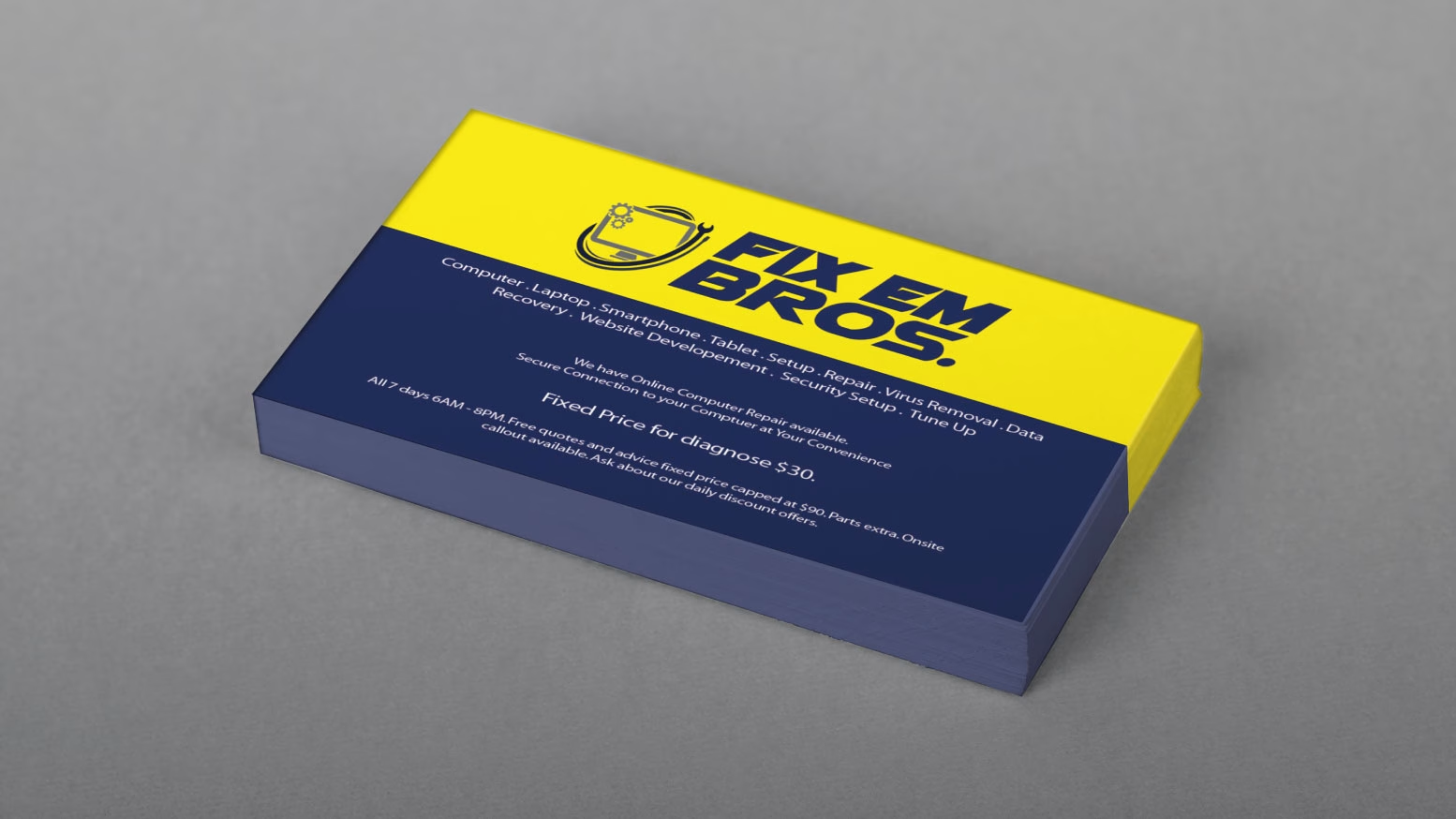
This card uses a very small text font making it impossible for people to read, therefore contact the business.
2. Putting a Huge Logo on the Back or Worse, Leaving it Empty.
Paper is expensive but ink is cheap! When you print something, you’re paying for both sides—why waste one?
The back is valuable space that can reinforce your brand or provide a compelling call to action.
Fix it: Add a QR code, a special offer. My favorite back of a card has a tag line to help distinguish you from your competitors and a list of core services or products you offer. Make the card work harder for you.
Remember mistake #1. Keep the layout balanced and the text big enough to read.
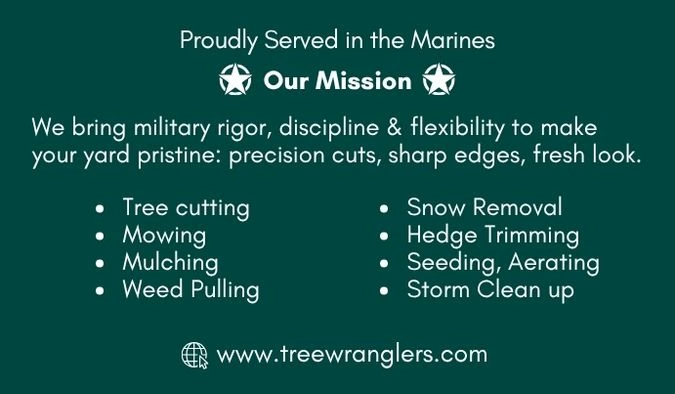
In this card, we used the owners’ past experience to create a compelling message in the back and list the services he offers.
3. Ignoring Brand Consistency
The difference between a polished professional look and an amateurish one is the lack of brand consistency.
Brand consistency simply means settling on 4 to 5 colors, 2 to 3 fonts and using only these fonts and colors EVERYWHERE in your customer-facing communication: banners, flyers, door hangers, cards, website, etc.
Mismatched colors, styles, or tone can make you look disorganized or unprofessional. Furthermore, if your card doesn’t match your website, brochures, or signage, it causes confusion.
Fix it: Ensure your business card follows your brand guidelines: colors, fonts, logo usage, and tone should all align seamlessly.
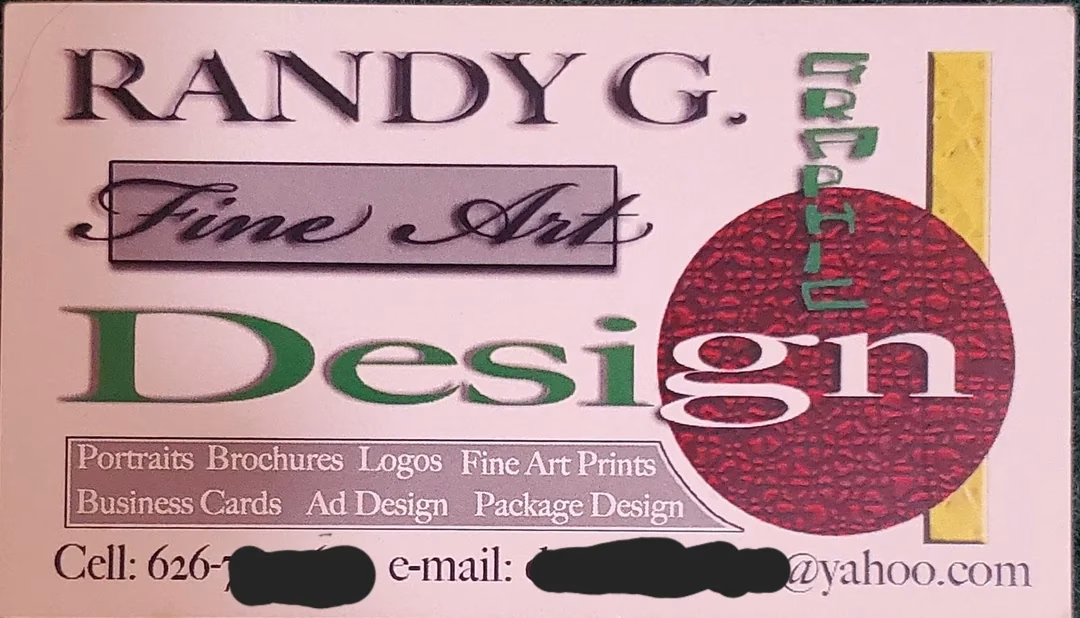
This card is a famous meme on the internet to show what we should avoid. It literally uses 5 different fonts on top of the incoherent design elements.
4. Printing on Cheap, Flimsy Materials
When we start a new business, we might be bootstrapping and trying to save as much as possible in order to get the business started, so using printable business card stocks seems like the cheapest option. That is ok if you are starting.
But as an established business, cheap card stock resulting in cards that bends easily, show creases, smears ink, or looks like it came from a template screams “low quality.” And that reflects directly on your business. Your prospect will think that your services and products are also low quality.
Fix it: Invest in durable, professional-grade cardstock with quality finishes like matte, silk, or soft-touch. It’s a small upgrade that delivers a big impact. Remember, one card in the right hands can deliver a great customer.
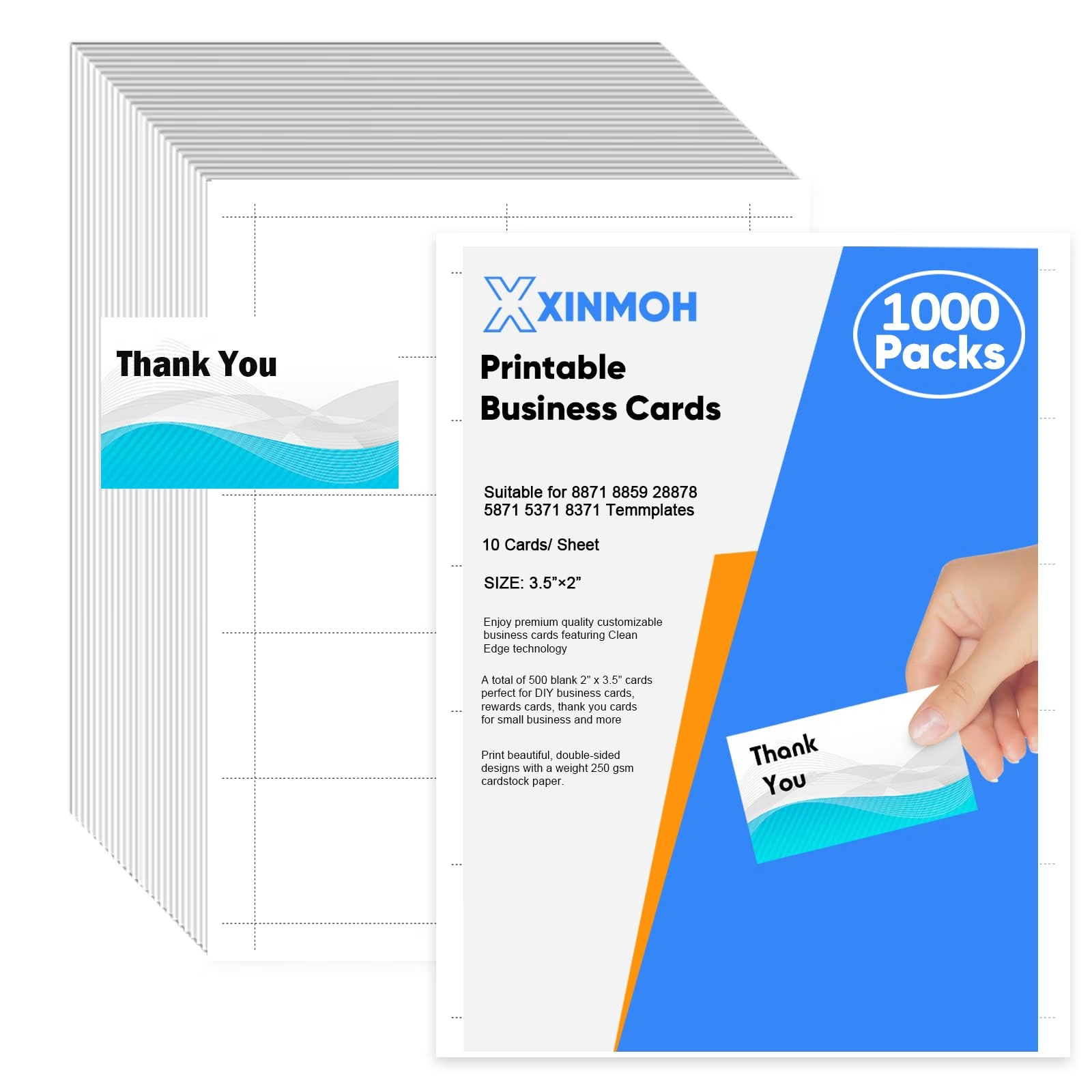
Using printable stock paper is Ok for emergencies, but reflect poorly on the business if used exclusively.
5. Using Gimmicks to Stand Out
I remember once a friend who handed me a his business card with nothing on it but a phone number. When I asked him why he didn’t have any information on it, he replied: “This card stands out BECAUSE it only has a number on it.”
3 months later, I found that card on my desk and indeed it stood out. The problem was, I couldn’t for the life of me remember which friend gave it to me.
A good card needs to provide the basic information to connect. The front should have the following: your logo, your name, your title, and your contact information.
On the back, you can have a USP (Unique Selling Proposition), or a tag line followed by a list of services or products you offer, or a great offer that would make people call you.
Fix it: Stick to the fundamentals when it comes to business cards. There are ways to make them truly stand out, but not at the expense of the information they should carry.
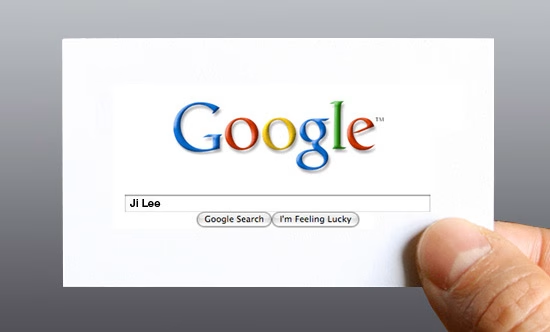
Gimmicks like “a google me card” may seem cute, but it’s a terrible waste of paper, money, and opportunity to connect.
Don’t Just Hand Out — Stand Out
A business card shouldn’t be forgettable. It should spark interest, build trust, and open the door to new business. Avoid these common mistakes to make sure your card leaves the right impression—every time.
Need business cards that do more than sit in a wallet?
HuskerPrint designs custom cards that are clean, branded, and built to convert. From layout to finish, we make sure your cards work for you—not against you. Let’s make your first impression count.
JULY SPECIAL
Re-order your business cards or get a full refresh on your cards with this special offer:
– 1000 business cards, 16pt. color both sides
– Design help available (for only $29)
Offer expires on July 31st!
Call us at 531-534-3775 to order outstanding business cards!

Adil Moussa
Owner
Hi, I’m Adil—the founder of HuskerPrint and your go-to partner for high-impact print solutions in Omaha.
With over 30 years in the business world and a deep passion for helping small and mid-sized businesses grow, I launched HuskerPrint to give brands access to premium print without the hassle and the big ticket.
I believe every business deserves marketing that works—and that starts with print that’s smart, sharp, and built for results. Whether you’re a law firm, a local contractor, or a school administrator, my mission is simple: make your vision a printing priority.